



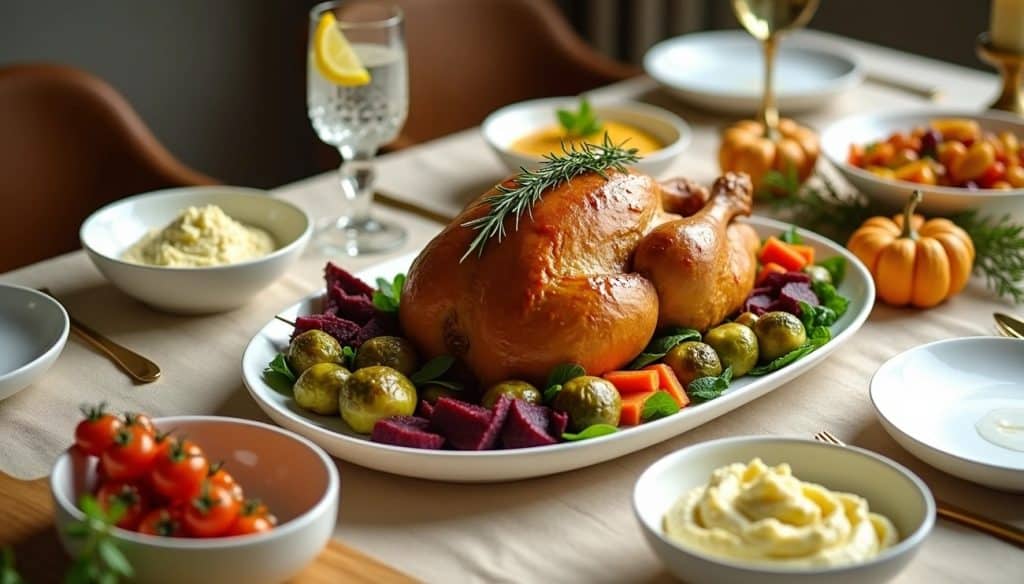
Thanksgiving dinner delivers approximately 3,000 calories in a single meal [5]. Traditional holiday dishes frequently trigger inflammation, digestive distress, and energy crashes that can persist for days [1]. Most people accept months of bloating and fatigue as an unavoidable consequence of enjoying family celebrations [2].
Your body deserves better during the holidays. Functional medicine principles can guide you toward recipes that honor tradition while supporting your digestive health and overall wellness. These approaches allow you to savor familiar holiday flavors without the uncomfortable aftermath [2].
Quality ingredients make the difference between meals that nourish and those that deplete your energy. Our holiday recipes focus on anti-inflammatory components that work with your body’s natural processes rather than against them [3].
This menu features dishes designed to satisfy your taste preferences while maintaining your health goals. Each recipe balances nutritional science with the comfort and joy that define meaningful holiday gatherings. You can celebrate fully without compromising how you feel afterward [5].
Appetizers That Prepare Your Digestive System
Your Thanksgiving celebration begins with the first bite. Smart appetizer choices can prime your digestive system for the heavier dishes ahead while providing gut-healthy elements that support optimal nutrient absorption throughout the meal.
Herb-Infused Caprese Skewers
Fresh basil, cherry tomatoes, and mozzarella balls create these visually appealing starters that offer more than aesthetic value. The combination provides:
- Fresh herbs containing digestive enzymes
- High-quality fats from mozzarella that aid vitamin absorption
- Antioxidants from in-season tomatoes
Thread these ingredients onto small wooden skewers, then drizzle with basil-infused olive oil and balsamic vinegar. The olive oil delivers anti-inflammatory compounds while the vinegar supports healthy stomach acid levels. These light bites satisfy initial hunger without overwhelming your system before the main course.
Crispy Cheesy Pickle Chips
Two ingredients deliver maximum flavor impact in this unexpected starter. Pat pickle slices completely dry with paper towels—this step determines success. Layer the pickles between shredded cheese on parchment paper and bake at 400°F for 15-20 minutes until golden [1].
The fermented pickles provide beneficial bacteria while the cheese offers protein and calcium. This combination satisfies cravings for something crunchy without processed additives found in commercial chips [2]. Guests following grain-free protocols appreciate having an option that supports their dietary needs.
Festive Charcuterie Board with Fermented Veggies
Fermented foods transform an ordinary charcuterie display into a functional medicine powerhouse. Your board should feature:
- Naturally fermented olives, pickles, and sauerkraut for live cultures
- Raw cheese varieties that digest more easily than processed options
- Nitrate-free meats from quality sources
- Fresh vegetables and seasonal fruit in moderate amounts
These probiotic-rich foods populate your gut with beneficial bacteria that aid digestion throughout your feast [3]. The variety ensures every guest finds something appealing while supporting their digestive health [3]. This approach honors celebration while preparing your body for optimal nutrient processing [4].
Starting your meal with these purposeful appetizers sets the foundation for comfortable digestion rather than post-dinner discomfort.
Main Dishes That Support Your Body’s Natural Functions
“turkey gets Eat Burn Sleep approval since the combination of B vitamins, selenium, and tryptophan balances blood sugar levels, avoiding hypoglycemia. Which also boosts mental well-being and calms nerves.” — Eat Burn Sleep Nutrition Team, Functional Nutrition and Wellness Experts specializing in anti-inflammatory recipes
Holiday main courses often trigger digestive distress and inflammation. These functional medicine approaches deliver familiar flavors while working with your body’s healing mechanisms rather than against them.
Herbed Turkey with Olive Oil and Garlic
Replace inflammatory butter with heart-healthy olive oil infused with fresh garlic. This Mediterranean technique produces moist, tender meat without the inflammatory vegetable oils found in traditional preparations.
The method requires loosening the turkey skin and massaging the aromatic oil mixture directly onto the meat. Fresh herbs—rosemary, thyme, and basil—provide more than flavor. These botanicals contain compounds that support healthy digestion and help modulate your body’s inflammatory response.
Optimal preparation uses ¾ cup olive oil combined with:
- 3 tablespoons minced fresh garlic
- 2 tablespoons mixed fresh herbs
- Sea salt and black pepper to taste
Roast at 325°F to preserve the olive oil’s beneficial properties while achieving golden skin and perfectly cooked meat.
Harvest Chicken Stew with Apricots
Smaller gatherings benefit from this anti-inflammatory powerhouse that combines lean protein with healing spices. The key ingredients—dried apricots, fresh turmeric, ginger, cinnamon, and cumin—create complex flavors while supporting your body’s natural healing processes.
Slow cooking allows the medicinal compounds in these spices to concentrate and become bioavailable. Fresh turmeric and ginger roots deliver significantly more potent anti-inflammatory effects than dried powders. The gentle cooking method helps preserve these beneficial compounds while creating tender, flavorful meat.
Thanksgiving Sauerkraut as a Stuffing Alternative
Baltimore’s German immigrant community established sauerkraut as a traditional Thanksgiving dish. Fermented cabbage provides beneficial probiotics that support digestive health—exactly what your gut needs during heavy holiday meals.
Create a unique stuffing alternative using local apples, organic beer, and fresh herbs. Advanced versions incorporate gin and caraway seeds for more complex flavor profiles. Unlike grain-based stuffing that feeds harmful bacteria, fermented vegetables support beneficial microbes in your digestive system.
The natural acidity balances rich holiday flavors while providing digestive enzymes that help process the meal’s fats and proteins.
Sides That Support Digestive Health
“This healthier alternative uses cashews as the base for the sauce, instead of using canned cream of mushroom soup. Not to mention, it is gluten-free, dairy-free, vegan, and delicious!” — Sue Smith, Registered Dietician Nutritionist at Aligned Modern Health
Holiday side dishes determine whether your guests feel energized or sluggish after dinner. Functional medicine principles guide these recipes toward ingredients that actively support your body’s digestive processes.
Garlic Mashed Cauliflower
Cauliflower delivers the creamy texture of mashed potatoes with 75% fewer calories. Steam florets until fork-tender, then puree with sautéed garlic, Parmesan cheese, and cream cheese for richness.
Roasted garlic provides prebiotic compounds that nourish beneficial gut bacteria. This creates a satisfying side dish that supports rather than hinders digestion throughout your meal.
Sweet and Beety Roasted Vegetables
Root vegetables develop concentrated sweetness when roasted at high heat. Toss cubed beets, sweet potatoes, and onions with olive oil and sea salt.
Start beets first at 400°F for 15 minutes, then add remaining vegetables. Continue roasting 45 minutes until caramelized. The natural fiber content aids digestive function while delivering essential minerals.
Cranberry Brussels Sprouts with Balsamic Glaze
Brussels sprouts become crispy and sweet when properly roasted. Cook at 375°F for 25-30 minutes until golden brown. Toss with dried cranberries and balsamic reduction just before serving.
This combination provides both soluble and insoluble fiber. The tartness of cranberries balances rich holiday flavors while supporting healthy digestion.
Three Bean Salad with Fresh Herbs
Bean salads offer plant-based protein alongside digestive fiber. Combine kidney beans, cannellini beans, and garbanzo beans with chopped parsley, rosemary, celery, and red onion.
Dress with apple cider vinegar and olive oil. The fermented vinegar aids stomach acid production, while the variety of beans feeds diverse beneficial bacteria in your gut microbiome.
Desserts That Support Your Health Goals
Thanksgiving desserts typically deliver the final blow that leaves you uncomfortable for hours. Functional medicine approaches create satisfying alternatives that honor your sweet tooth while supporting your body’s natural processes.
Raw Pumpkin Pie Pudding
This no-bake dessert delivers classic pumpkin pie flavors without refined sugar or wheat. Blend one cup pumpkin puree with half an avocado, quarter cup maple syrup, two tablespoons coconut cream, and one teaspoon each of cinnamon, nutmeg, and vanilla.
The avocado provides creamy texture while delivering healthy fats that aid vitamin absorption. Crushed pecans on top add satisfying crunch without traditional crust ingredients that can trigger digestive issues.
Healthy Pumpkin Bars
These bars substitute almond flour for refined flour and coconut oil for butter. Combine these base ingredients with pumpkin puree, eggs, vanilla, and warming spices. Top with cream cheese frosting made from grass-fed cream cheese and raw honey.
The protein and healthy fats in these bars help maintain stable blood sugar rather than causing the energy crashes associated with conventional desserts.
Fruit Crumble with Coconut Sugar
Toss sliced apples and pears with cinnamon and coconut sugar, then top with a crumble of oats, chopped nuts, and coconut oil. Coconut sugar registers lower on the glycemic index, helping prevent the dramatic blood sugar spikes that typically follow traditional Thanksgiving desserts.
The natural fiber from fruits supports digestion, providing a satisfying end to your functional medicine holiday meal.
Your Path to Healthier Holiday Celebrations
Holiday meals can honor tradition while supporting your wellness goals. Functional medicine principles transform familiar recipes into dishes that nourish your body rather than deplete your energy.
Fermented foods and fresh ingredients in appetizers prepare your digestive system for optimal nutrient absorption. Main courses like herb-infused turkey and harvest chicken stew provide familiar comfort without inflammatory triggers. Vegetable sides rich in prebiotic fiber feed beneficial gut bacteria while delivering essential nutrients. Desserts made with natural sweeteners and healthy fats satisfy cravings without blood sugar spikes.
Your guests will likely notice increased energy levels rather than post-meal fatigue. These recipe modifications often go undetected while delivering significant health benefits.
Food serves as both nourishment and celebration during family gatherings. Your choices can support both purposes simultaneously. When everyone feels vibrant and comfortable, connections deepen and memories become more meaningful.
Start with one or two recipe swaps this year. Each anti-inflammatory ingredient represents progress toward better digestive health. Your body will respond positively to ingredients that work with your natural processes rather than against them.
Family traditions evolve to serve the people who maintain them. This Thanksgiving, create new traditions that leave everyone feeling their best while preserving the joy and connection that define meaningful celebrations.
Key Takeaways
Transform your Thanksgiving feast with functional medicine principles that deliver amazing flavors while supporting your body’s natural processes instead of overwhelming them.
• Replace inflammatory ingredients with gut-healthy alternatives like olive oil instead of butter and fermented foods for digestive support • Start with probiotic-rich appetizers featuring fermented vegetables to prepare your digestive system for the heavy meal ahead • Swap traditional sides for nutrient-dense options like garlic mashed cauliflower and roasted vegetables that provide prebiotic fiber • Choose desserts made with natural sweeteners and healthy fats to satisfy cravings without triggering blood sugar crashes • Focus on anti-inflammatory herbs and spices like turmeric, ginger, and fresh herbs that enhance flavor while reducing inflammation
When you prioritize ingredients that nourish rather than deplete, your guests will enjoy familiar holiday flavors while feeling energized instead of sluggish after the meal. This approach proves you don’t have to choose between delicious food and feeling good—functional medicine recipes deliver both.
FAQs
Q1. What are some healthier alternatives to traditional Thanksgiving dishes? Some healthier alternatives include herb-infused turkey with olive oil instead of butter, garlic mashed cauliflower as a low-carb alternative to potatoes, and roasted vegetables with balsamic glaze. These options provide familiar flavors while supporting digestive health and reducing inflammation.
Q2. How can I incorporate functional medicine principles into my Thanksgiving meal? You can incorporate functional medicine principles by using anti-inflammatory ingredients like olive oil and herbs, including fermented foods in appetizers, choosing sides rich in prebiotic fiber, and opting for desserts made with natural sweeteners and healthy fats. These choices support gut health and help maintain stable blood sugar levels.
Q3. Are there any Thanksgiving desserts that won’t cause a sugar crash? Yes, there are dessert options that won’t lead to dramatic blood sugar spikes. Consider trying a raw pumpkin pie pudding made with avocado and maple syrup, healthy pumpkin bars using almond flour and coconut oil, or a fruit crumble sweetened with coconut sugar. These alternatives satisfy sweet cravings without the negative effects of refined sugars.
Q4. What appetizers can I serve that support digestion? Appetizers that support digestion include herb-infused caprese skewers, crispy cheesy pickle chips, and a festive charcuterie board featuring fermented vegetables. These options provide beneficial bacteria and enzymes that may aid in digestion throughout the meal.
Q5. How can I make my Thanksgiving meal more gut-friendly? To make your Thanksgiving meal more gut-friendly, focus on incorporating probiotic-rich foods like sauerkraut, using prebiotic fibers found in vegetables like Brussels sprouts and sweet potatoes, and choosing lean proteins like white turkey meat. Also, consider using herbs and spices known for their digestive benefits, such as ginger and turmeric, in your recipes.
References
[1] – https://red.msudenver.edu/2023/the-ultimate-healthy-thanksgiving-dinner-menu/
[2] – https://alignedmodernhealth.com/our-functional-medicine-teams-favorite-thanksgiving-dishes/
[3] – https://www.olivemypickle.com/blogs/news/gut-healthy-recipes-thanksgiving-meal-and-holiday-dinners?srsltid=AfmBOoq-FHvHQ0EwIxnGlPbFf3GEtP97kS7fUgnpzoAp5vbnqhE9syLj
[4] – https://nikkiyeltonrd.com/7-healthy-thanksgiving-recipes/
[5] – https://cabotcreamery.com/blogs/recipes/crispy-cheese-pickle-chips?srsltid=AfmBOoo9Tgpx0vEkLjDXGnPfjJucmkQoeg-7o1D2X2XWNShM66DtuUqk
[6] – https://www.babaganosh.org/cheese-pickle-chips/
[7] – https://www.olivemypickle.com/blogs/news/healthy-charcuterie-board?srsltid=AfmBOooM0z6WgRe3QYbttggjYsS6hHN3FVmgixiOpSpUGds8NqiiluPU
[8] – https://thetastybalance.com/create-charcuterie-board-good-gut/