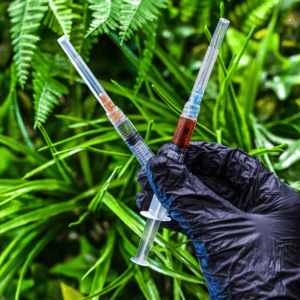



Chemical production has increased 23.5 fold between 1947 and 2007, changing our chemical exposure patterns significantly. The US produced 9.5 trillion pounds of these chemicals in 2012 alone, with endocrine disruptors embedded in products from pesticides to personal hygiene items.
Most people don’t know what endocrine disruptors are or how they affect their bodies. These chemicals can mimic estrogen and other hormones, disrupting your delicate endocrine system. Even very low exposure levels can contribute to serious health conditions. The Endocrine Society reports nearly 85,000 human-made chemicals exist worldwide, with approximately 1,000 or more potentially acting as endocrine disruptors.
These hormone-disrupting chemicals appear in everyday items you use regularly. They’re present in cosmetics, food packaging, toys, carpet, and pesticides. Your daily routine likely exposes you to multiple endocrine disruptors without your knowledge.
This guide examines hormone-disrupting chemicals in your environment and their health impacts. You’ll learn practical strategies to identify and reduce your exposure to these chemicals that threaten your hormonal health. Understanding these hidden toxins helps you make informed choices about the products you use and the environment you create for your family.
Understanding Endocrine Disruptors and Their Health Impact
The endocrine system controls virtually every bodily function through hormone balance. Endocrine-disrupting chemicals (EDCs) are substances that interfere with this system, disturbing normal hormone action and causing adverse health effects. These disruptors don’t simply damage cells—they change how your body functions at the system level.
How These Chemicals Interfere With Hormones
EDCs include both natural and human-made chemicals that mimic, block, or interfere with your body’s hormones. Scientists have identified nearly 4,000 potential endocrine disruptors among the 85,000 human-made chemicals that exist. These substances disrupt hormone function through several pathways:
- Mimicking natural hormones by binding to hormone receptors and triggering abnormal responses
- Blocking hormone receptors, preventing natural hormones from binding properly
- Interfering with hormone synthesis, transport, metabolism, and elimination
- Altering hormone receptor expression throughout your body
Bisphenol A (BPA) demonstrates this complexity by acting as an estrogen receptor agonist while simultaneously functioning as an androgen receptor antagonist. This creates dual disruption in your hormone system.
Health Risks From Multiple System Disruption
Endocrine disruptors affect multiple body systems at once. These chemicals have been linked to reproductive issues, thyroid dysfunction, metabolic disorders, neurological problems, and various cancers.
Exposure during critical developmental windows—particularly prenatal and early postnatal periods—can cause permanent effects not seen in adults exposed to the same dose. This timing sensitivity explains why fetuses and children face greater vulnerability to these chemicals.
Low-Dose Effects Challenge Traditional Toxicology
Endocrine disruptors challenge traditional toxicology by showing that smaller exposures can sometimes cause more harm than larger ones. This non-monotonic dose-response relationship means lower exposure levels don’t guarantee less harm—they might actually increase risk.
Your endocrine system responds to incredibly small hormone concentrations. Natural hormones function in part-per-trillion and part-per-billion ranges, making even tiny chemical interferences significant. A developing fetus can experience profound effects from chemical concentrations that wouldn’t noticeably affect an adult.
Common Endocrine Disruptors and Where They Hide
These chemicals appear throughout your daily environment, entering your body through multiple pathways and affecting your health at surprisingly low doses.
1. Bisphenol A (BPA)
Manufacturers use this synthetic chemical in polycarbonate plastics and epoxy resins, with more than one million tons produced or imported to the EU yearly. You’ll find BPA in food packaging, reusable bottles, thermal paper receipts, and can linings. Heat and acidic foods increase BPA leaching significantly. The European Food Safety Authority recently reduced its tolerable daily intake threshold by 20,000 times lower than previous guidelines.
2. Phthalates
These plasticizers create flexibility in products and extend fragrance duration. They appear in nail polish, food packaging, and personal care products labeled “fragrance”. Diethylphthalate (DEP) commonly appears in cosmetics while dibutylphthalate (DBP) is found in nail polishes. Look for recycling codes 3, V, or PVC on products containing phthalates. These chemicals cross the placenta, potentially causing reproductive defects and reduced testosterone levels.
3. Atrazine and Other Pesticides
Farmers widely apply atrazine to corn and sugarcane crops, where it persists in the environment. Over 37,000 tons were used in the US in 1997 alone. Once it enters groundwater, atrazine remains essentially unchanged, with half-lives exceeding 200 days in surface waters. Exposure disrupts reproductive cycles, alters hormone levels, and affects development through changes in the gonadal-hypothalamic-pituitary axis.
4. Dioxins and PCBs
These persistent pollutants collect primarily in fatty tissues. Dioxins form during combustion processes including waste incineration and industrial manufacturing. Over 90% of human exposure occurs through food, particularly meat, dairy, fish, and shellfish. Despite being banned in 1979, PCBs still remain in insulation, electrical equipment, and oil-based paints.
5. Heavy Metals – Lead and Mercury
Both lead and mercury act as potent endocrine disruptors at very low doses. Mercury concentrations above 1.0 mg/kg in human hair (WHO’s threshold) can convert to methylmercury with stronger toxicity. Lead exposure correlates with altered sex hormone levels, including testosterone.
6. Flame Retardants and PFAS
Flame retardants like PBDEs have been added to furniture, electronics, and building materials since the 1970s. These chemicals don’t bind chemically to products, releasing easily into air and dust. Children experience higher exposure through hand-to-mouth behaviors. PFAS compounds in non-stick cookware and water-resistant coatings demonstrate remarkable persistence. They resist breakdown in the environment, with 99% of Americans carrying these chemicals in their bodies.
Health Impacts of Hormone-Disrupting Chemicals
Endocrine-disrupting chemicals affect multiple body systems simultaneously, causing health consequences at surprisingly low exposure levels.
Fertility and Reproductive Health
Infertility affects approximately 48 million couples worldwide. EDCs disrupt normal hormonal balance, affecting sperm quality, ovarian function, and embryo development. BPA exposure during pregnancy alters mammary gland development and increases breast cancer risk later in life.
At Today’s Integrative Health, we provide guidance and testing to identify potential EDC exposures that may affect your reproductive health. Our unique approach draws on diagnostic testing and natural therapies to create individualized care plans. We are located in Rockville, Maryland and can be contacted by phone at +1-301-770-6650 or by email.
Thyroid Function and Metabolism
BPA, phthalates, and PCBs decrease thyroidal iodine uptake and disrupt thyroid hormone regulation, which controls your body’s physiological balance. Perchlorate compounds interfere with iodine transport. Pesticides affect thyroid hormone levels and liver metabolism. These disruptions impact brain development and metabolism, potentially causing hypothyroidism and metabolic dysfunction.
Polycystic Ovary Syndrome (PCOS)
PCOS affects 5-10% of women of reproductive age. EDC exposure links to PCOS development. Women with PCOS show significantly higher plasma, urinary, and follicular fluid BPA levels. These elevated levels correlate with insulin resistance, polycystic ovary changes, and increased androgen levels. Testosterone and BPA create a cycle where each prevents normal metabolism of the other.
Endometriosis and Uterine Fibroids
Fibroids affect most women in the United States. Endometriosis impacts 5-10% of fertile women. Both conditions connect to various EDCs including phthalates, parabens, and DEHP. Studies show positive associations between DEHP metabolites and fibroid development. Dioxin exposure promotes endometriosis and adenomyosis through inflammatory processes.
Brain Development and Neurological Disorders
About 12% of US children experience neurodevelopmental disorders. EDCs contribute significantly to this burden. Prenatal chlorpyrifos exposure decreases childhood IQ by 5-7 points. PCB exposure affects neuronal connectivity, common in ADHD and autism spectrum disorders. These effects occur during critical brain development windows when children are most vulnerable.
Cancer Risk and Immune System Disruption
EDCs increase hormone-sensitive cancer risk. Women with higher exposure to two long-chained PFAS compounds showed nearly double the odds of melanoma diagnosis. EDCs disrupt immune function by interfering with cytokine synthesis, immunoglobulins, and inflammatory mediators. This leads to autoimmune disorders and reduced immunity against infections.
Research on Endocrine Disruptors
Scientific research on endocrine disruptors continues through multiple approaches and methodologies across various disciplines.
Animal Studies and Population Research
Laboratory animal models help scientists understand how endocrine disruptors work. Researchers use zebrafish, rodents, and other vertebrates to study chemical impacts at different life stages. Animal studies show concerning effects even at very small concentrations—parts per trillion to billion—which challenges the traditional idea that “the dose makes the poison”.
Human population studies examine health patterns in large groups of people, though proving direct cause-and-effect relationships remains difficult. Researchers face challenges measuring EDC exposure in everyday settings. Timing also complicates matters since health effects might appear decades after the initial exposure.
Effects Across Generations
Endocrine disruptors can affect not only the exposed person but also their children and grandchildren. Studies show that fungicides like vinclozolin changed sperm production and fertility across multiple generations with over 90% occurrence. BPA exposure affected brain development in grandchildren of exposed mice.
This happens through epigenetic modifications—changes that affect how genes work without changing the DNA itself. These include DNA methylation, histone modifications, and changes to non-coding RNAs. When these changes occur during fetal development, they can permanently alter how development proceeds.
Government Research Efforts
The National Institute of Environmental Health Sciences (NIEHS) has led EDC research for over thirty years. Their work includes creating new testing methods, using high-speed screening techniques, and finding markers that show exposure.
The Environmental Protection Agency (EPA) uses a two-tiered testing approach: Tier 1 screens chemicals for potential hormone interference, while Tier 2 does more detailed testing on flagged substances. Both agencies focus on understanding how EDCs affect reproductive, brain, and developmental systems.
Current Research Challenges
Several research challenges still exist. Current methods don’t adequately test low-dose, long-term exposures during critical development periods. Testing chemical mixtures—which reflects real-world exposure—needs more development. Connecting laboratory findings to health outcomes seen in populations requires improvement.
Recent evidence suggests obesity may complicate EDC research, since excess body fat changes hormone levels on its own. Future research must address these challenges to strengthen protective measures and regulations.
Protecting Your Hormonal Health
Hormone-disrupting chemicals surround us in everyday products, affecting your body differently than traditional toxins. These chemicals can cause reproductive problems, thyroid issues, metabolic disorders, and hormonal cancers even at very low doses.
Exposure during pregnancy and childhood creates particularly serious risks, with effects potentially passing to future generations through epigenetic changes. The unique dose-response patterns of these chemicals make them especially dangerous in our modern environment.
Knowledge about endocrine disruptors empowers you to make better choices. Identifying common sources like BPA, phthalates, pesticides, and flame retardants helps you protect your family from harmful exposures.
At Today’s Integrative Health, we provide guidance and testing to identify potential EDC exposures that may affect your reproductive health. Our unique approach draws on diagnostic testing and natural therapies to create individualized care plans. We are located in Rockville, Maryland and can be contacted by phone at +1-301-770-6650 or by email.
Complete avoidance of endocrine disruptors remains difficult in today’s world. However, informed decisions about food storage, personal care products, household items, and water quality can reduce your toxic burden significantly. Understanding these hormone disruptors gives you the tools to create a healthier environment for yourself and your family.
Key Takeaways
Understanding and identifying endocrine disruptors is crucial for protecting your hormonal health, as these chemicals can cause serious health effects even at extremely low doses.
• Endocrine disruptors are everywhere: Found in plastics, cosmetics, food packaging, pesticides, and household items – nearly 85,000 chemicals exist with 1,000+ potential hormone disruptors.
• Small doses create big problems: Unlike traditional toxins, lower exposure levels can sometimes cause more harm than higher doses due to hormones functioning at part-per-trillion concentrations.
• Critical timing matters most: Exposure during pregnancy and early childhood can cause irreversible effects that may even impact future generations through epigenetic changes.
• Multiple health systems affected: These chemicals contribute to fertility issues, thyroid dysfunction, PCOS, endometriosis, neurological disorders, and hormone-sensitive cancers.
• Awareness enables protection: While complete avoidance is impossible, informed choices about food storage, personal care products, and household items can significantly reduce your toxic burden.
The key to protecting yourself lies in recognizing that these “silent” disruptors operate differently from conventional toxins – they don’t just poison cells, they fundamentally alter how your body’s hormone systems function, making prevention through awareness your most powerful defense strategy.
FAQs
Q1. Where are endocrine disruptors commonly found in our daily lives? Endocrine disruptors are prevalent in many everyday items, including plastic containers, food packaging, cosmetics, pesticides, household cleaners, and even furniture. They can also be found in some personal care products, toys, and non-stick cookware.
Q2. How do endocrine disruptors affect our health? Endocrine disruptors can interfere with the body’s hormonal system, potentially leading to various health issues. These may include reproductive problems, thyroid dysfunction, metabolic disorders, developmental issues, and an increased risk of certain hormone-sensitive cancers.
Q3. Are there ways to reduce exposure to endocrine disruptors? Yes, you can reduce exposure by choosing fresh, organic foods, avoiding plastic food containers and canned foods, using natural personal care products, filtering your water, and opting for natural cleaning products. It’s also helpful to read product labels and avoid items containing known endocrine disruptors.
Q4. Can small amounts of endocrine disruptors be harmful? Yes, endocrine disruptors can potentially cause harm even at very low doses. Unlike traditional toxins, these chemicals can sometimes have more significant effects at lower concentrations due to the sensitive nature of the endocrine system.
Q5. Are children more vulnerable to endocrine disruptors? Yes, children, especially during prenatal development and early childhood, are particularly vulnerable to endocrine disruptors. Exposure during these critical periods can lead to long-lasting or even irreversible effects on development, potentially impacting health into adulthood.